From Busywork to Breakthroughs: No-Code Automation for Microbusiness Back Offices

In this piece, we explore automating back-office operations in microbusinesses using no-code platforms, turning repetitive admin into reliable systems without hiring developers. Expect practical steps, friendly examples, and small victories you can implement today. Share your questions, subscribe for hands-on playbooks, and tell us where busywork steals your time.

Walk the Paper Trail

Follow every receipt, message, and attachment from arrival to archive, writing timestamps and handoffs without judgment. You may discover five inboxes doing one person’s job, or a calendar secretly governing every decision. This humble walk reveals shortcuts you can keep and detours you should finally drop.

Sketch the Flow, Expose the Friction

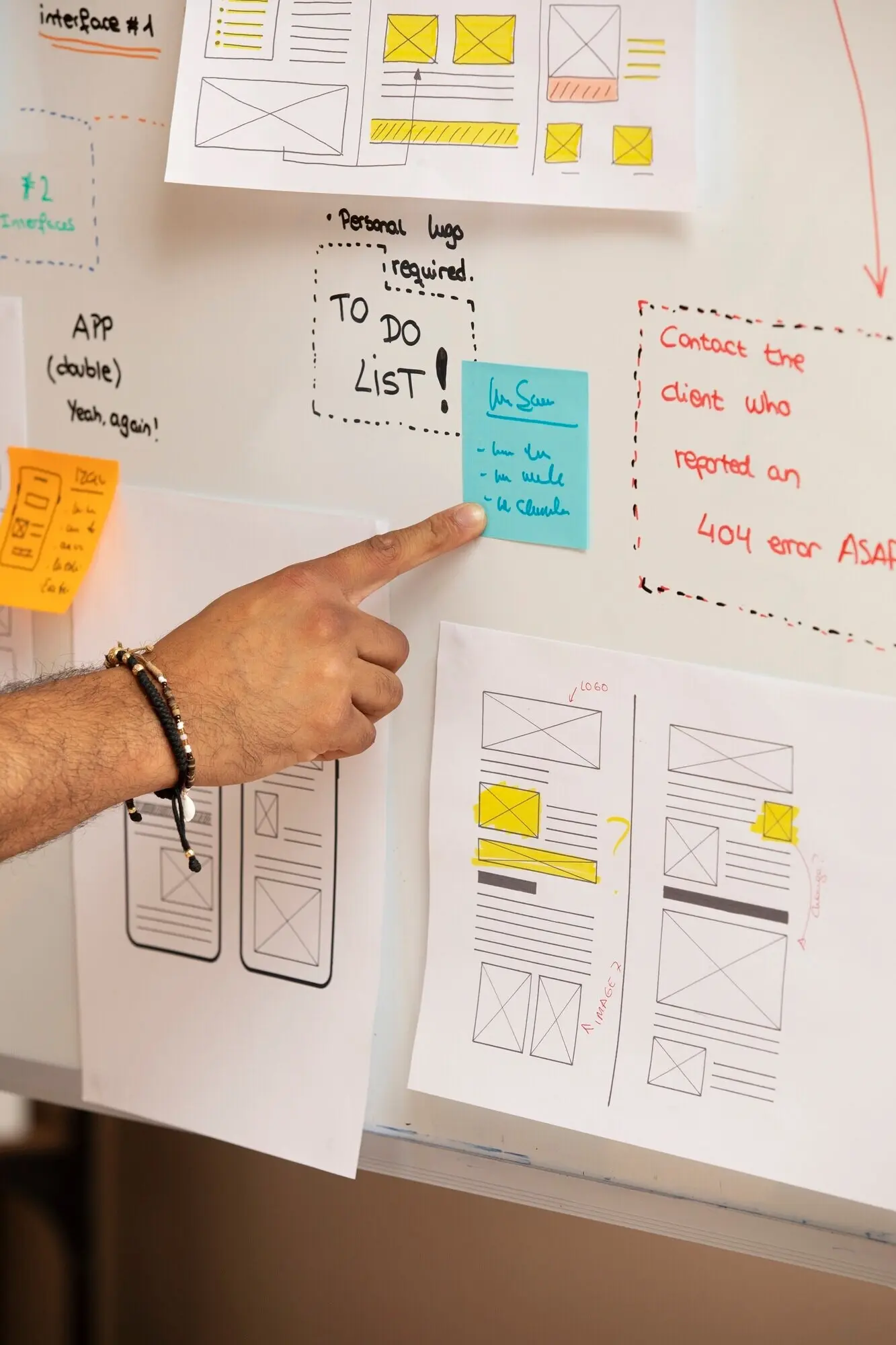
Turn scribbles into a simple flow with arrows, swimlanes, and sticky decisions. Label what adds value and what just moves data around. When a boutique mapped returns, the real friction wasn’t refunds; it was restocking delays caused by unclear ownership. Drawings make responsibility visible, discussable, fixable.

Pick a Tiny Win First

Start where risk is low and feedback is fast. Maybe automate labeling paid invoices, or routing website inquiries to a shared space. One café began with a nightly report sent to owners; after two weeks, staff asked for more automations because confidence and results were undeniable.

Tools That Fit in Your Pocket

Microbusiness constraints are real: limited budget, precious time, and uneven technical comfort. We compare approachable options like Airtable, Notion, Glide, Zapier, Make, and Bubble, focusing on usability, integrations, and growth ceilings. The goal is a stack you can learn in days, not months, while staying flexible and secure.

Pick on Price, Power, and Patience

Start with the job to be done and a cost you can absorb monthly without stress. Evaluate visual builders, automation limits, mobile usability, and support. If five minutes of setup saves one hour weekly, your patience will be generously repaid within the first calendar month.

Connectors, Limits, and Lock-In

Look beneath shiny templates for rate limits, row caps, and connector coverage. A cheerful button means little if your CRM, calendar, or accounting app cannot handshake smoothly. Prefer open standards, export options, and active communities that outlive hype cycles, protecting tomorrow’s operations from painful rewrites.


Automations You Can Build This Week

Small, repeatable wins compound fastest. We’ll outline step-by-step automations for invoices, lead capture, scheduling, inventory updates, and daily summaries. None require code, only curiosity and a checklist. Real microbusiness owners share scripts, screenshots, and lessons learned, including unexpected moments when bots politely asked for clearer instructions and improved everyone’s process understanding.

Data That Flows and Grows

Automation is only as strong as the data model beneath it. We’ll craft a simple, shared vocabulary for customers, orders, payments, and products, then connect systems through well-labeled fields. When disputes arise, a single source of truth settles debates quickly and allows experiments without fear or confusion.

Design a Home for Your Data

Start with a lightweight schema: people, companies, deals, invoices, and activities, linked with clear IDs. Favor explicit over clever. A nonprofit thrift store unified donors and buyers under one contact record, unlocking better thank-you notes, cleaner reporting, and personalized messages that respected preferences collected responsibly.

Standardize, Validate, Celebrate

Make required fields truly required, use dropdowns, and validate emails and phone formats. Celebrate tidy data with tiny confetti moments or positive messages. One clinic reduced scheduling mistakes by constraining choices to working hours and automatically converting time zones, replacing guesswork with dependable appointments every single week.

Backups, Versions, and Rollbacks

Schedule exports, enable version history, and test automations in sandboxes before touching production. Accidents happen; resilience is a process, not a promise. A design studio slept better after nightly backups and a rollback checklist turned crises into routine recoveries completed calmly during coffee, not midnight panic.

People, Change, and Everyday Confidence

The best automations feel like a friendly coworker who never forgets. We’ll plan onboarding, small pilots, and clear documentation so everyone understands what to trust and when to intervene. Celebrate wins publicly, mourn glitches briefly, and keep moving. Cultural buy-in turns clicks into compounding value you can measure.

Train in Moments, Not Marathons

Use five-minute videos, screenshots, and cheat sheets tailored to real tasks. Teach where work happens: in the system, side by side. A hairstylist collective adopted a booking automation after micro-lessons showed faster tips payouts and fewer rebook errors, transforming skepticism into daily appreciation within a week.

Make the Bot the Boring Assistant

Name the automation, give it job descriptions, and state its limits. People relax when expectations are clear. A craft store posted a playful card explaining what the bot files, tags, and escalates. Staff stopped blaming technology and started suggesting improvements because roles were finally understood and respected.
Measure What Matters, Improve What Moves

Pick Three Metrics You Can Actually See

Choose metrics already touched by your automations and observable without consultants: hours returned to staff, messages answered within a day, duplicate records prevented. Draw baselines before launching. Celebrate directional wins early, then refine definitions later, ensuring motivation stays high while maintaining honest, comparable numbers everyone trusts.

Dashboards That Tell the Monday Story

Build one clean page that answers, What needs attention today? Surface overdue invoices, unanswered leads, delayed orders, and inventory at risk. Keep color logic simple and filters friendly on mobile. A single weekly screenshot in chat aligned owners, part-timers, and freelancers faster than meetings ever did.

Iterate Like a Gardener, Not a Gambler

Plant one seed, water regularly, trim kindly. Avoid risky bets that promise everything overnight. Instead, schedule monthly tuning to remove friction revealed by usage. A yoga studio doubled class occupancy by tweaking five automations gradually, honoring staff feedback and seasonality rather than chasing dramatic, brittle overhauls.

Stories from Tiny Giants

Real-world journeys prove small steps matter. Meet owners who replaced chaos with clarity: a baker reclaiming mornings, a handyman crew catching every call, a maker restocking precisely. Their paths weren’t linear, yet each celebrated time returned to customers, families, and craft. Let their practical momentum inspire your next decision.
Kentopalonilolivodari
Privacy Overview

This website uses cookies so that we can provide you with the best user experience possible. Cookie information is stored in your browser and performs functions such as recognising you when you return to our website and helping our team to understand which sections of the website you find most interesting and useful.