From Busywork to Breakthroughs: No-Code Automation for Microbusiness Back Offices

Walk the Paper Trail
Follow every receipt, message, and attachment from arrival to archive, writing timestamps and handoffs without judgment. You may discover five inboxes doing one person’s job, or a calendar secretly governing every decision. This humble walk reveals shortcuts you can keep and detours you should finally drop.
Sketch the Flow, Expose the Friction
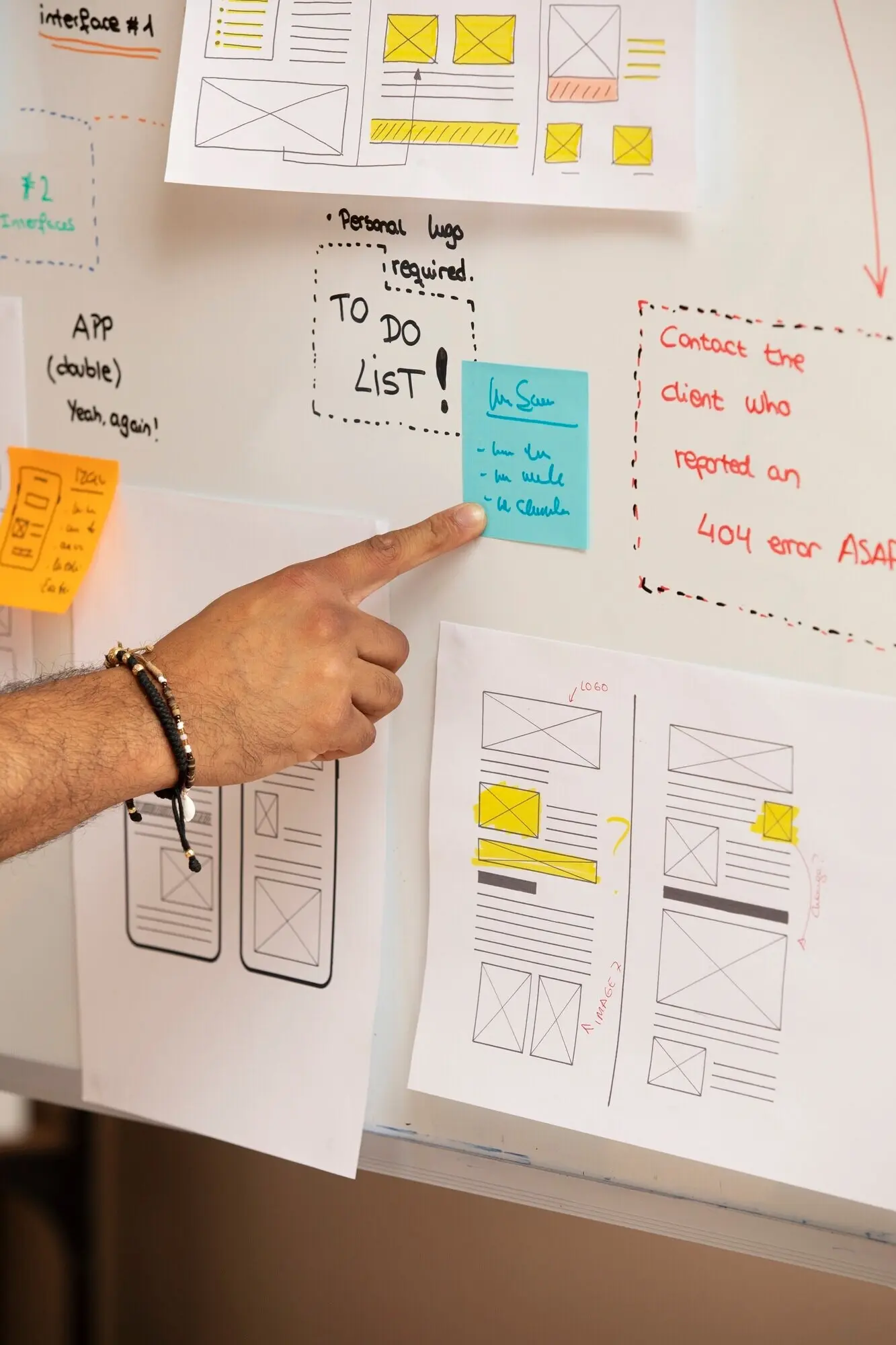
Turn scribbles into a simple flow with arrows, swimlanes, and sticky decisions. Label what adds value and what just moves data around. When a boutique mapped returns, the real friction wasn’t refunds; it was restocking delays caused by unclear ownership. Drawings make responsibility visible, discussable, fixable.
Pick a Tiny Win First
Start where risk is low and feedback is fast. Maybe automate labeling paid invoices, or routing website inquiries to a shared space. One café began with a nightly report sent to owners; after two weeks, staff asked for more automations because confidence and results were undeniable.
Tools That Fit in Your Pocket
Pick on Price, Power, and Patience
Start with the job to be done and a cost you can absorb monthly without stress. Evaluate visual builders, automation limits, mobile usability, and support. If five minutes of setup saves one hour weekly, your patience will be generously repaid within the first calendar month.
Connectors, Limits, and Lock-In
Look beneath shiny templates for rate limits, row caps, and connector coverage. A cheerful button means little if your CRM, calendar, or accounting app cannot handshake smoothly. Prefer open standards, export options, and active communities that outlive hype cycles, protecting tomorrow’s operations from painful rewrites.


Automations You Can Build This Week
Data That Flows and Grows
Design a Home for Your Data
Standardize, Validate, Celebrate
Backups, Versions, and Rollbacks
People, Change, and Everyday Confidence
Train in Moments, Not Marathons
Use five-minute videos, screenshots, and cheat sheets tailored to real tasks. Teach where work happens: in the system, side by side. A hairstylist collective adopted a booking automation after micro-lessons showed faster tips payouts and fewer rebook errors, transforming skepticism into daily appreciation within a week.
Make the Bot the Boring Assistant
Name the automation, give it job descriptions, and state its limits. People relax when expectations are clear. A craft store posted a playful card explaining what the bot files, tags, and escalates. Staff stopped blaming technology and started suggesting improvements because roles were finally understood and respected.
Measure What Matters, Improve What Moves
Pick Three Metrics You Can Actually See
Dashboards That Tell the Monday Story
Iterate Like a Gardener, Not a Gambler
Stories from Tiny Giants